How to Host a Community Book Swap in Your Neighborhood (Step-by-Step Guide)
Everything you need to organize a vibrant, low-stress book swap in your local area—from picking the right venue to genre tables, ground rules, and icebreaker rituals.
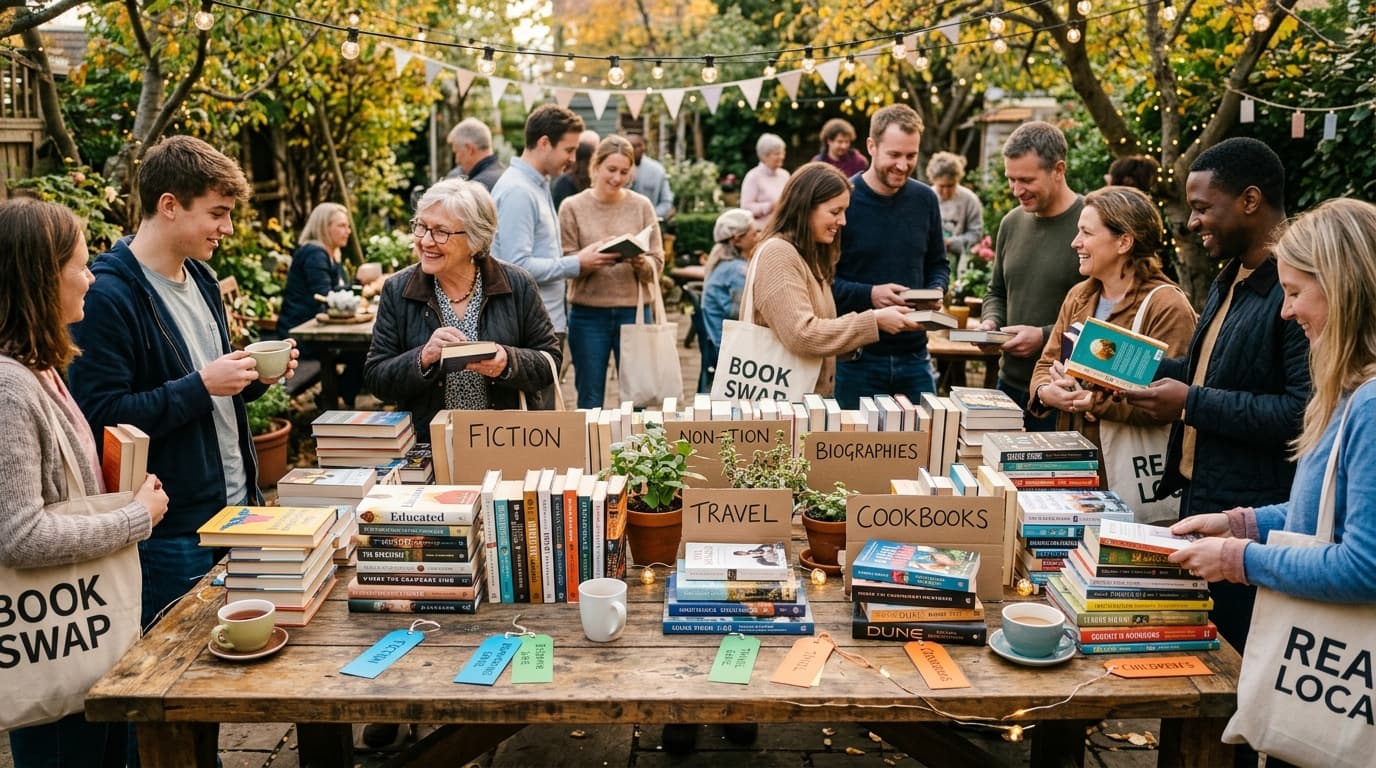
There is something inherently joyful about giving a book a second life. When books sit on shelves gathering dust, their stories stay dormant. But when you exchange them in a room full of fellow readers, books become conversation catalysts, friendships begin, and community roots deepen.
If you’ve ever wanted to bring people together in your neighborhood without the complexity of a formal conference or the awkwardness of typical mixer events, a community book swap is the perfect starting point.
Here is our tried-and-tested, step-by-step playbook for organizing a memorable swap.
A book swap requires almost zero budget. All you truly need is a table, some enthusiastic neighbors, and a shared love for stories.
Step 1: Secure a Welcoming Venue
The environment sets the emotional tone for the entire event. Look for spaces that naturally encourage lounging and browsing:
- Independent Cafés or Roasteries: Many local coffee houses are eager to host community events on slower weekday evenings or weekend mornings. Always coordinate in advance and encourage attendees to support the venue with a beverage or pastry purchase.
- Neighborhood Parks & Community Gardens: On sunny afternoons, picnic benches or blankets under shady trees provide a relaxed, open-air backdrop.
- Public Libraries & Community Centers: Most public libraries offer free community meeting rooms for cultural and literary activities.
Step 2: Establish Simple Ground Rules
Clear, friendly guidelines prevent confusion and ensure everyone leaves happy:
- The 1:1 or 1:3 Swap Ratio: Encourage guests to bring between 1 and 3 books in good condition. As a rule of thumb, guests can take home as many books as they contributed.
- Quality Over Quantity: Remind attendees to bring books they genuinely recommend—not yellowed college textbooks, outdated travel guides, or beat-up magazines.
- Open Across Genres: Welcome fiction, non-fiction, graphic novels, memoirs, poetry, and philosophy alike.
Unlike dropping a book into a static Little Free Library box, a live community swap is primarily an in-person social experience. The books are the pretext; the conversations are the prize.
Step 3: Set the Stage with Genre Stations
When attendees arrive, avoid dumping all books into a single chaotic pile. Instead, arrange the tables with handwritten cardboard tents to help people browse by vibe:
- Fiction & Storytelling: Literary fiction, mystery, romance, sci-fi/fantasy.
- Ideas & Non-Fiction: Philosophy, psychology, history, design, science.
- Memoir & Essays: Personal journeys, biographies, cultural commentary.
- The "Wildcard" Station: Poetry, art monographs, graphic novels, experimental writing.
Provide colored sticky notes or blank bookmark tags so givers can slip a one-sentence personal note inside their book: "Read this on a rainy train ride—the ending stayed with me for weeks!"
Step 4: Spark Serendipity with Group Rituals
While freeform browsing is lovely, adding a structured communal moment elevates the gathering from a transactional trade into an unforgettable memory:
- The 60-Second Book Pitch: Give volunteers 60 seconds to enthusiastically pitch the book they brought without spoiling the plot.
- Book Roulette Round: Wrap a subset of books in mystery paper with teaser clues on the front, and let participants roll dice to claim a blind pick.
Want to Host a Book Roulette Chapter?
SlurpingNoodles provides free digital tools, RSVP management, and automated matching algorithms for local hosts worldwide.
Step 5: Handle Leftovers Gracefully
What happens to books that don’t find a new home by the end of the event?
- Donation to Local Shelters or Little Free Libraries: Map out 2 or 3 nearby neighborhood book kiosks and drop the remaining titles inside.
- The "Host Stash": Save quality leftovers in a clean tote bag to seed the table for your next meetup.
Hosting a book swap is one of the most rewarding ways to revitalize the third place in your city. Start small with five or six friends, invite curious neighbors, and watch your local reading sanctuary flourish.
Related Stories & Guides
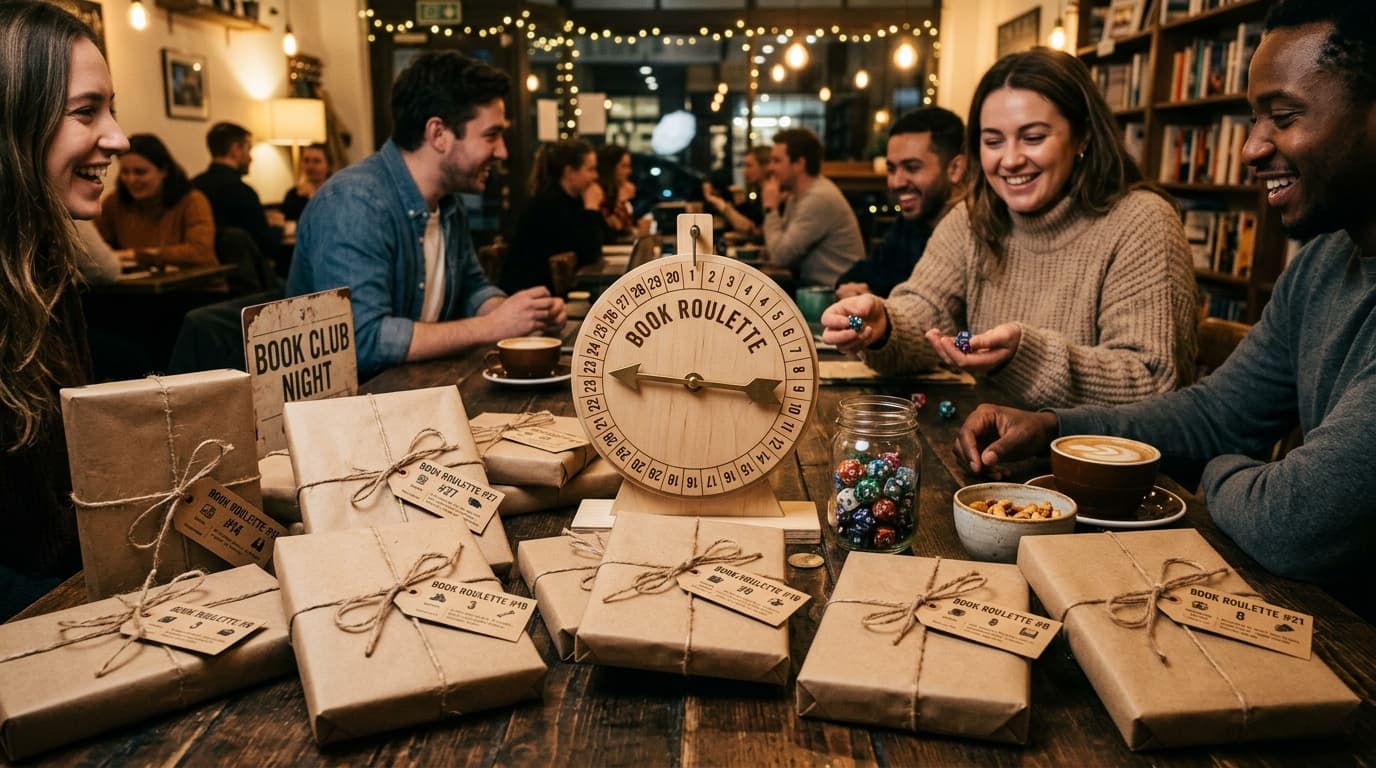
Book Roulette Explained: A New Way to Swap Books and Meet Fellow Readers
Tired of rigid book club reading deadlines and awkward icebreakers? Here is how Book Roulette gamifies book swapping with mystery parcels, dice rolls, and serendipitous discovery.
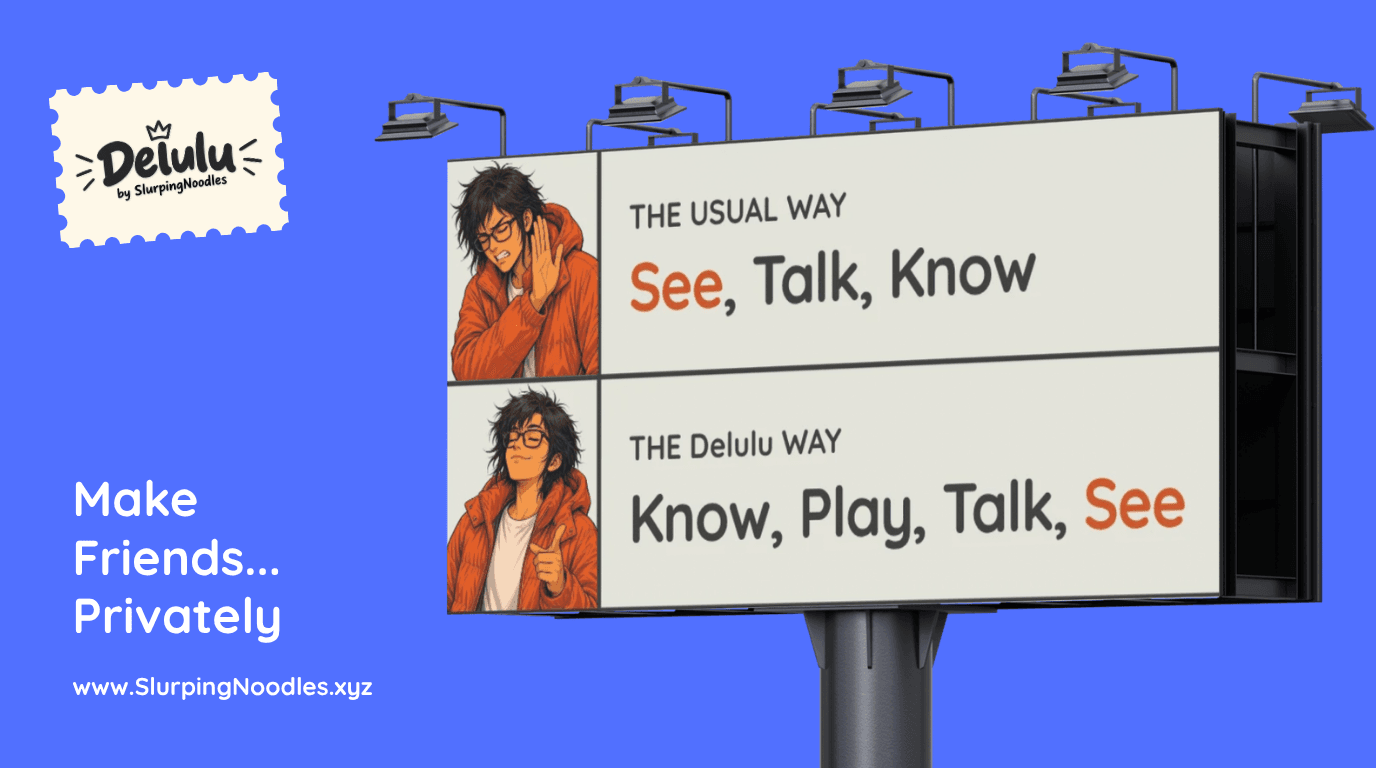
Know, Play, Talk, See: Reimagining Connection & Companionship in Bangladesh
Looking for a friend, someone to share deep conversations with, or a meaningful partner? Traditional platforms put photos first. Delulu inverts the equation: share your personality without showing your face—know each other, play together, talk, and reveal on your own terms.
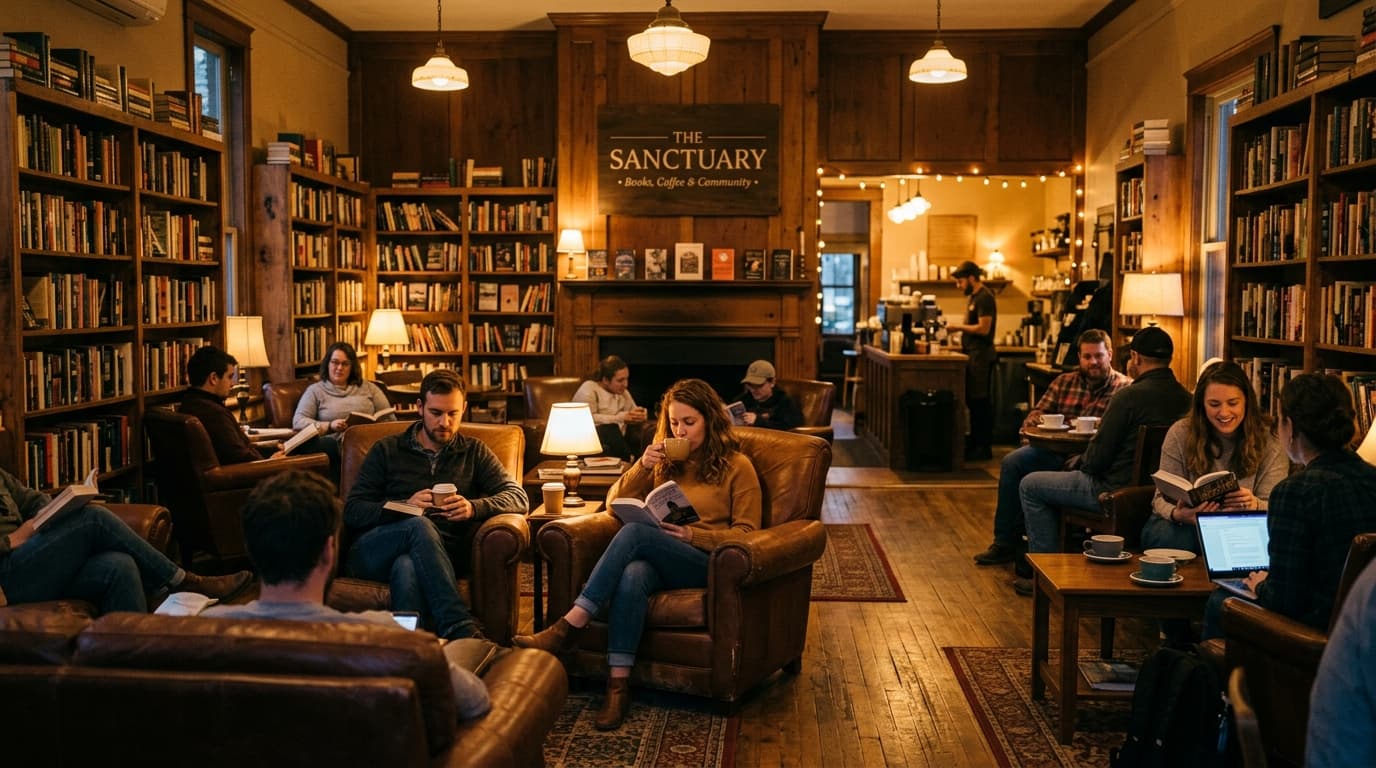
The Third Place Crisis: Why We Need Physical Social Sanctuaries Now
In an era of hyper-digitization and remote isolation, our physical third places are vanishing. Here is why offline communal sanctuaries, quiet reading rooms, and serendipitous conversations are essential for human flourishing.