The Third Place Crisis: Why We Need Physical Social Sanctuaries Now
In an era of hyper-digitization and remote isolation, our physical third places are vanishing. Here is why offline communal sanctuaries, quiet reading rooms, and serendipitous conversations are essential for human flourishing.
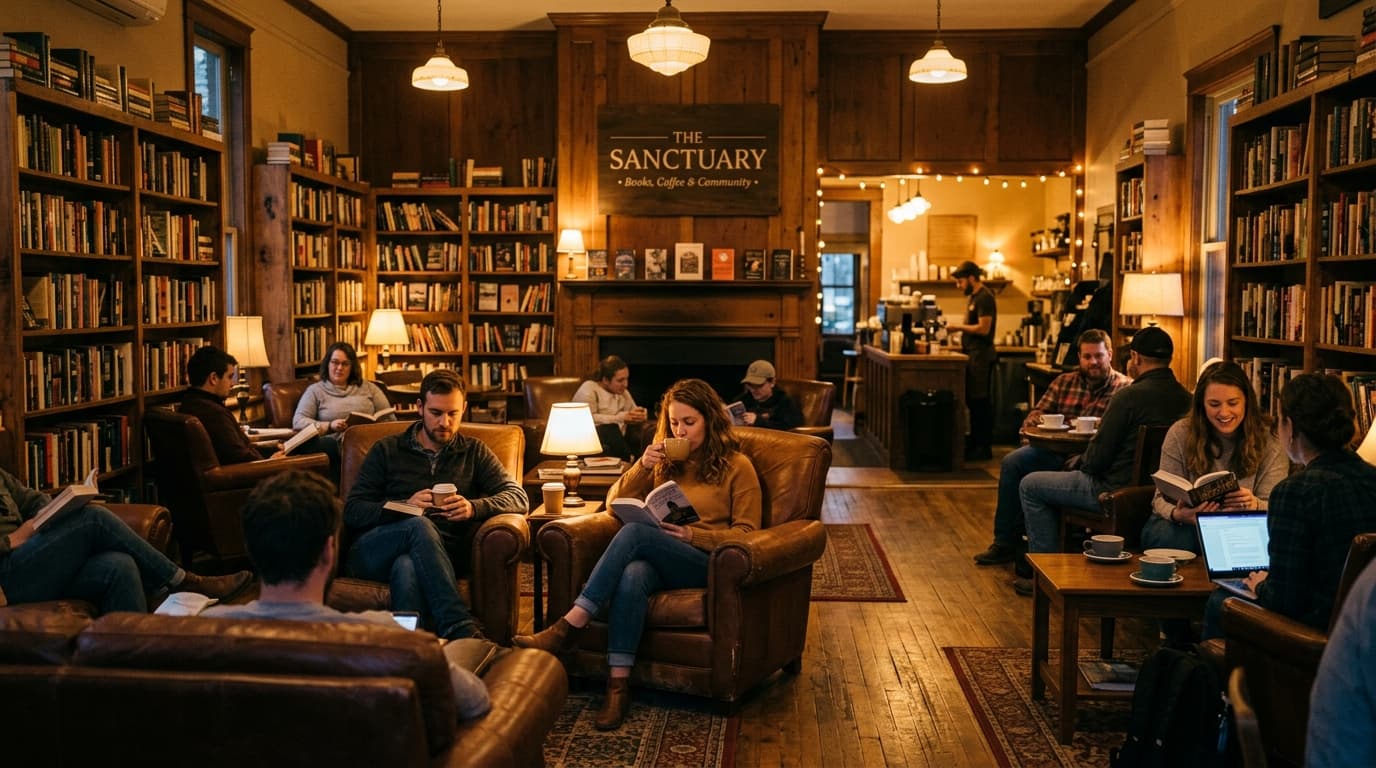
Sociologist Ray Oldenburg coined the term "Third Place" in his seminal 1989 book, The Great Good Place. His thesis was simple yet profound: human beings thrive when their lives rotate across three distinct anchors:
- The First Place: Home (where you rest and live).
- The Second Place: The Workplace or School (where you produce and earn).
- The Third Place: The public or semi-public gathering grounds—cafés, public libraries, community halls, local bookshops, and parks—where people assemble simply for conversation, companionship, and relaxation without transactional pressure.
Fast forward to today. The boundary between home and work has blurred into an endless blur of Slack pings, Google Meets, and living-room desks. Simultaneously, physical third places have faced unrelenting economic headwinds, rising commercial rents, and the intoxicating illusion that digital chat rooms could replace physical presence.
The result? We are living through a quiet, pervasive Third Place crisis.
"Third places are anchors of community life and facilitate broader, more creative interaction. Without such places, the urban area fails to nourish the friendships and relationships so essential to human well-being." — Ray Oldenburg
The Myth of the Digital Replacement
When social media and algorithmic feeds first emerged, they promised frictionless global connection. Yet fifteen years later, rates of chronic loneliness, conversational fatigue, and social anxiety have hit historic highs across all age brackets.
Online communities are frequently optimized for outrage, virality, and rapid-fire replies. They lack the biological grounding that human psychology evolved with over thousands of years:
- Micro-expressions and posture: Tone and warmth get lost in flattened text boxes.
- Shared physical presence: Sitting alongside someone in mutual silence or low-stakes conversation releases oxytocin in ways a video call cannot replicate.
- Serendipitous run-ins: Algorithms only show you people who mirror your exact preferences. Third places bring together neighbors of varying ages, disciplines, and perspectives.
To recover our social resilience, we do not need another Discord server. We need physical places to put our phones facedown, drink tea, and share our attention.
Books as the Ultimate Social Catalyst
Why center third places around books and literature?
At first glance, reading appears to be a solitary endeavor. You plunge alone into an author’s mind for hours on end. But reading possesses a unique superpower: it serves as a low-stakes conversational bridge.
Striking up a conversation with a stranger in a coffee shop can feel daunting and invasive. But asking:
"What are you reading right now?" or "Have you read anything unexpected lately?"
instantly lowers social defenses. A book on a table is an open invitation into someone's inner world, values, and curiosities.
Psychologists often describe "parallel play"—the comforting state of doing independent tasks side-by-side with others. Silent reading circles allow introverts and deep thinkers to enjoy community without the exhausting pressure of constant performative small talk.
Crafting Intentional Social Sanctuaries
At SlurpingNoodles, our mission is rooted in reviving this tradition. We believe every neighborhood deserves a social sanctuary—a relaxed space where you can:
- Swap a book that changed your outlook through Book Roulette.
- Meet fellow lifelong learners without resumes or LinkedIn pitches.
- Spend an hour reading in comfortable silence among like-minded humans.
Experience an Offline Meetup Near You
Take a break from notifications. Bring a mystery book to swap, sip some coffee, and meet thoughtful readers in your city.
How to Begin Rebuilding Your Own Third Place
You do not have to wait for an institution or city council to designate a third place in your neighborhood. You can begin planting the seeds today:
- Find a hospitable local venue: Independent coffee houses, neighborhood libraries with open tables, quiet park pavilions, or indie bookstores love hosting community gatherings during off-peak hours.
- Set low-friction ground rules: Emphasize that there is no homework, no required speed-reading, and zero networking pressure.
- Incorporate serendipity: Activities like book swaps, blind book tastings, and blind roulette wheels turn passive attendance into an engaging communal ritual.
Human connection is not obsolete; it has simply been crowded out by digital convenience. By stepping out into physical rooms and holding space for books, questions, and each other, we can turn the tide on the third place crisis—one neighborhood at a time.
Related Stories & Guides
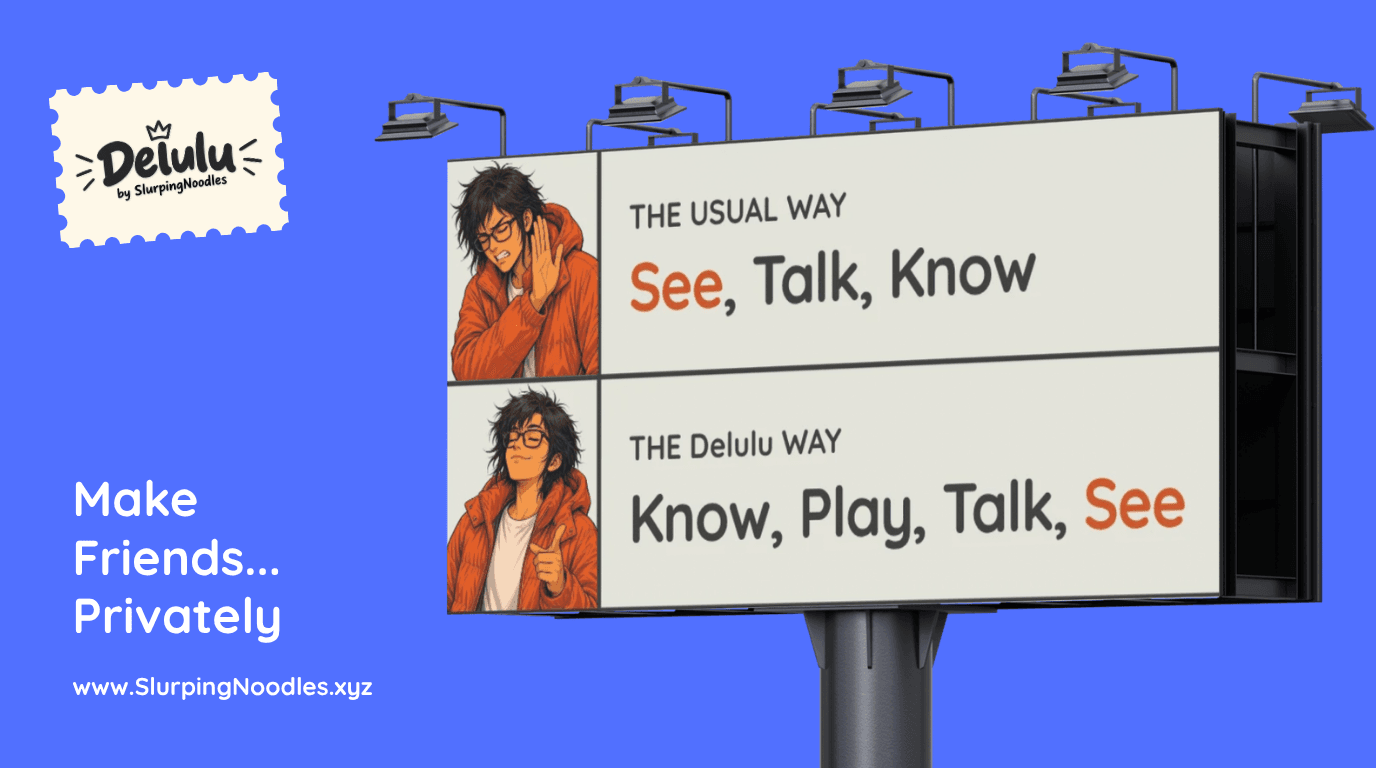
Know, Play, Talk, See: Reimagining Connection & Companionship in Bangladesh
Looking for a friend, someone to share deep conversations with, or a meaningful partner? Traditional platforms put photos first. Delulu inverts the equation: share your personality without showing your face—know each other, play together, talk, and reveal on your own terms.
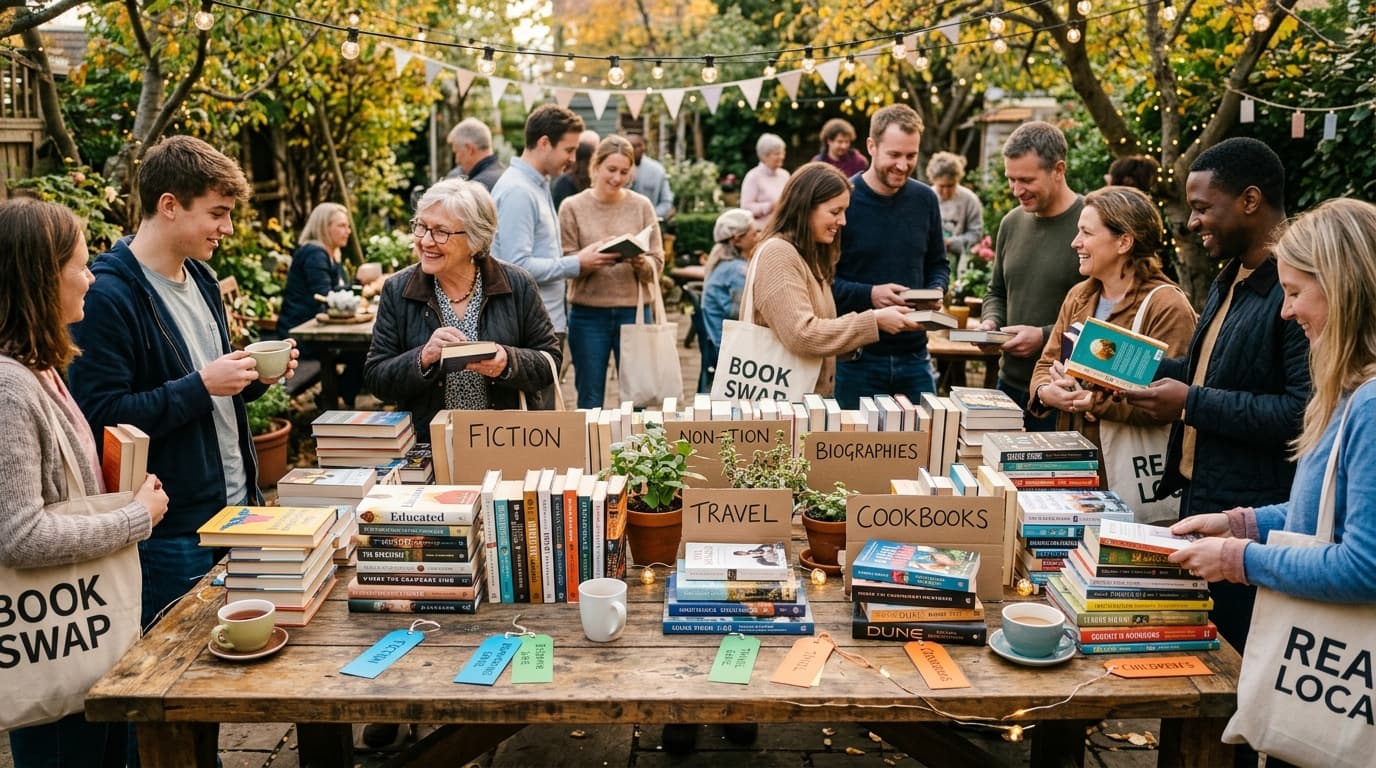
How to Host a Community Book Swap in Your Neighborhood (Step-by-Step Guide)
Everything you need to organize a vibrant, low-stress book swap in your local area—from picking the right venue to genre tables, ground rules, and icebreaker rituals.
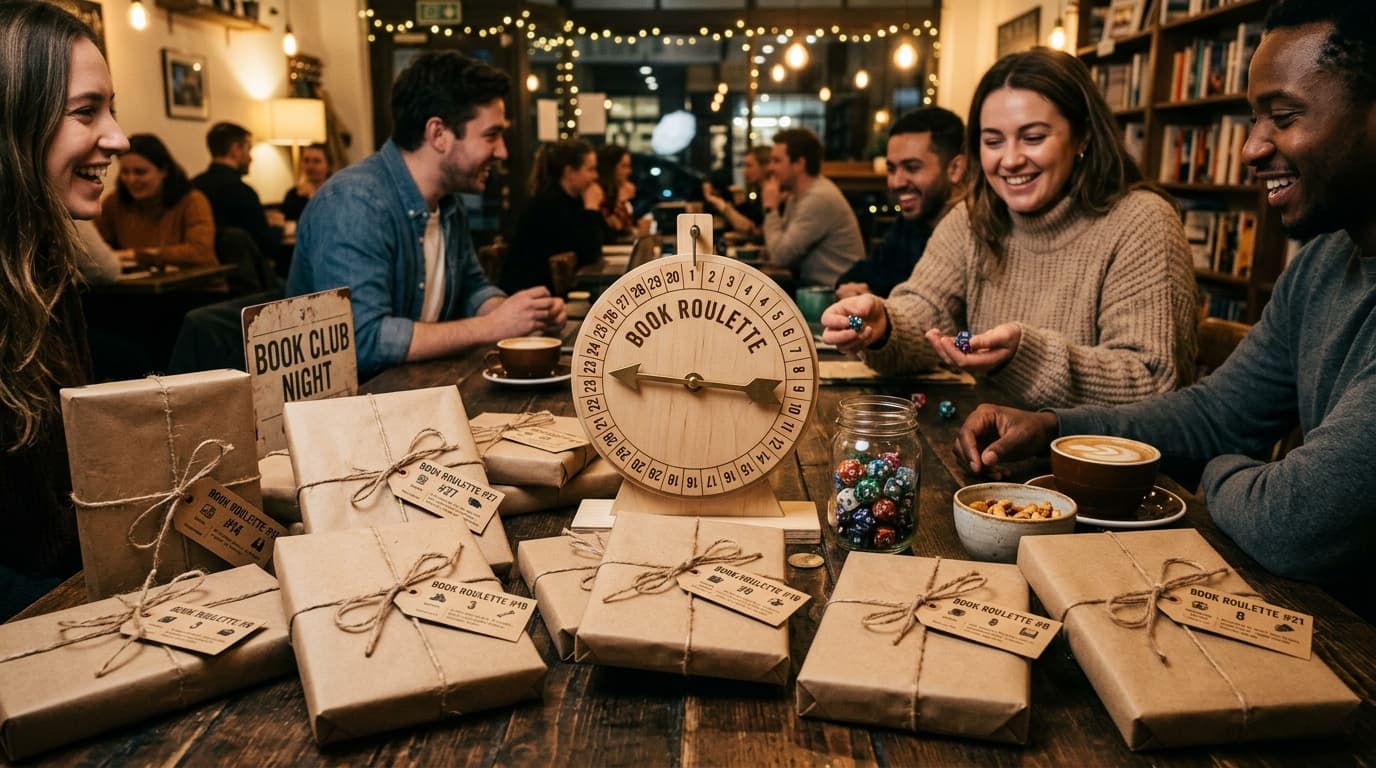
Book Roulette Explained: A New Way to Swap Books and Meet Fellow Readers
Tired of rigid book club reading deadlines and awkward icebreakers? Here is how Book Roulette gamifies book swapping with mystery parcels, dice rolls, and serendipitous discovery.